
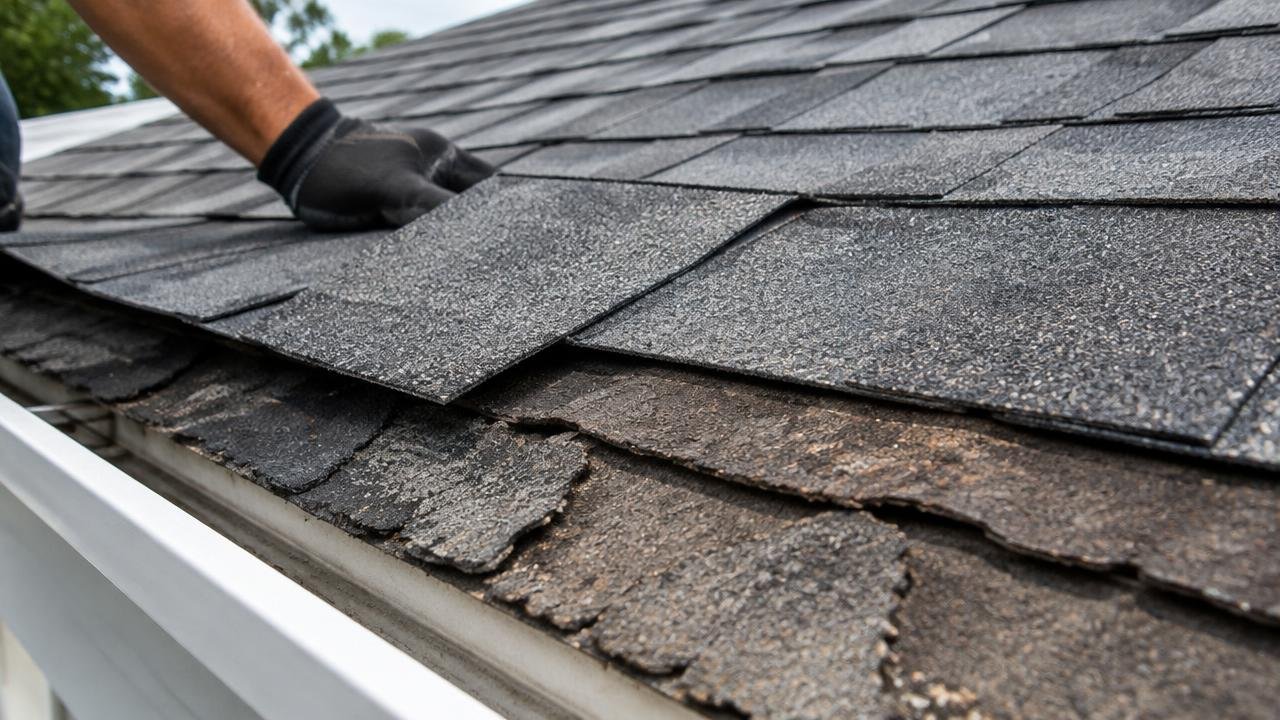
When your roof reaches the end of its serviceable life, replacing it is one of the most significant investments you will make in your home. It is completely natural to look for ways to streamline the project and manage expenses. One question homeowners frequently ask is whether you can put a new roof over an old roof rather than paying for a complete tear-off.
In the roofing industry, this technique is commonly referred to as a roof overlay, re-roofing, or a recover. While the short answer is yes—building codes often permit installing a second layer of shingles under specific circumstances—the technical reality is far more nuanced. What seems like an easy shortcut to shave labor expenses can sometimes trigger expensive structural and moisture problems down the road.
Understanding how an overlay works, what Indiana building codes mandate, and how double-layering affects your home’s structural integrity will help you make an informed decision between an overlay and a comprehensive roof replacement.
What Building Codes Say About Roof Overlays in Indiana
In most residential jurisdictions across Indiana, residential building regulations align with the International Residential Code (IRC). According to general building codes, residential structures are permitted to have a maximum of two layers of asphalt shingles. If your home currently has only its original layer of roofing, building a second layer on top of it is legally permissible in many municipalities, provided certain structural and material criteria are satisfied.
However, if your roof already has two layers installed, local building codes strictly prohibit adding a third. In that scenario, an overlay is completely off the table, and a complete tear-off down to the structural sheathing is required by law before new materials can be applied.
Even when code permits a second layer, your local municipality or homeowners association (HOA) may have stricter guidelines. Before deciding on any roofing project, scheduling professional roof inspections will confirm how many layers currently exist on your home and whether your roof deck can safely support additional roofing materials.
- Local codes typically restrict residential roofs to a maximum of two layers of asphalt shingles.
- Homes with existing wood shake, slate, or heavily damaged tiles cannot receive an asphalt shingle overlay.
- Municipal permits often require verification of the underlying decking condition prior to approving reroofing permits.
The Potential Advantages of a Roof Overlay
The primary appeal of choosing an overlay over a full tear-off comes down to upfront convenience and budget. Because your roofing crew does not have to strip away the original shingles, dispose of tons of heavy debris, and transport waste to a local landfill, the overall labor timeline and disposal fees are reduced.
An overlay project can often be completed in a single day, minimizing the disruption to your household routine and significantly reducing the risk of sudden rain exposure while the roof deck is bare. For homeowners working with tight finances or preparing an investment property where budget control is essential, these initial savings can seem attractive.
However, while upfront financial savings are real, they are often offset over time by reduced shingle longevity, potential warranty exclusions, and higher future replacement expenses when both layers eventually must be removed together.
The Hidden Risks and Downsides of Shingling Over Shingles
While an overlay saves on initial labor, professional contractors often advise against it due to significant engineering and performance drawbacks. The most critical problem is that an overlay leaves the wooden roof decking completely hidden. If your existing plywood or OSB sheathing has soft spots, dry rot, or historical water damage, covering it with fresh shingles traps that decay underneath, allowing moisture to spread unchecked.
Weight is another major concern, especially in Central Indiana where winter weather brings heavy, wet snow and ice accumulation. Shingles weigh between 250 and 400 pounds per roofing square (100 square feet). Doubling that weight places substantial, continuous dead load on your roof trusses and rafters, which can cause roof sagging or structural strain during severe blizzards.
Furthermore, laying new shingles across an uneven, aged surface prevents the new shingles from sealing flat. Modern asphalt shingle roofing relies on integrated thermal sealant strips that activate under direct sunlight. When shingles are laid over curled, warped, or cracked older shingles, those seals fail to bond uniformly, leaving your home susceptible to high-wind blow-offs during severe Midwestern windstorms.
- Trapped heat between shingle layers cooks the new shingles from beneath, shortening their expected lifespan by 20% to 40%.
- Rotten, broken, or water-damaged decking cannot be inspected, reinforced, or replaced.
- Ice and water shield membranes cannot be applied directly to the wooden eave edges where ice dams form.
- Locating the exact entry point of future roof leaks becomes significantly harder with multiple overlapping layers.
When an Overlay Might Be Acceptable vs. When a Tear-Off Is Required
Deciding whether you should move forward with an overlay or commit to a full tear-off depends entirely on the physical condition of your current roofing system. An overlay is only viable under nearly ideal baseline conditions. If your current shingles lie completely flat, have no widespread leaks, and show zero signs of decking rot or sagging ridge lines, an overlay may function adequately as a temporary stopgap.
Conversely, if you are wrestling with whether to repair or replace your roof because of chronic leaks, storm damage, or aged, brittle shingles, a complete tear-off is mandatory. Attempting to shingle over curled, cupped, or moss-covered shingles creates an uneven surface that will quickly compromise the new roof.
In addition, modern building practices require critical protective underlayments, including heavy-duty synthetic felt and self-adhering ice-and-water barriers along valleys, eaves, and penetrations. These modern protective layers cannot be installed properly over an existing course of shingles, leaving your home vulnerable to water intrusion.
- Tear-Off Required: Existing roof has two or more shingle layers already installed.
- Tear-Off Required: The roof deck feels spongy, sags, or exhibits noticeable interior attic leaks.
- Tear-Off Required: Current shingles are curled, clawed, missing granules, or buckled.
- Overlay Possible: Single existing layer that is smooth, structurally sound, and free of persistent leaks.
Warranty and Resale Considerations for Indiana Homeowners
Before choosing a recover, it is essential to consider the long-term financial impacts on warranties and property value. Major shingle manufacturers often reduce or alter their warranty coverage when materials are installed over existing shingles. Because trapped attic heat causes the top layer to degrade faster, manufacturers may deny claims related to thermal cracking, blistering, or premature granule shedding.
From a real estate perspective, having two layers on your roof is a standard red flag noted during professional home inspections. Prospective home buyers know that when how long a roof lasts in Indiana comes into question, a double-layered roof will cost significantly more to replace in the future because contractors must charge for double tear-off labor and extra landfill tipping fees.
In many cases, home appraisers adjust their valuation downward or buyers negotiate a roof replacement credit into their purchase agreements, effectively wiping out any initial savings you achieved by skipping the tear-off.
- Manufacturer non-prorated defect warranties may be shortened or voided entirely on overlay installations.
- Home inspectors readily identify and report two shingle layers to prospective property buyers.
- Future roof replacements will carry double the tear-off and disposal costs when both layers must eventually be stripped down to the sheathing.
Making the Right Decision for Your Indianapolis Roof
Every home has unique structural needs, architectural angles, and financial goals. While an overlay might provide temporary relief in very specific scenarios, a complete tear-off and replacement remains the gold standard for roofing excellence, maximum longevity, and peace of mind across Central Indiana.
A complete tear-off allows technicians to inspect every square foot of roof decking, replace rotting wood, install ice-and-water shields at eaves and valleys, replace worn flashing around chimneys, and ensure your attic ventilation is functioning efficiently.
If you are uncertain about the current condition of your roof or want an honest, professional opinion on whether your property qualifies for an overlay, reach out to Central Indy Roofing. Call us today at 317-836-2455 to schedule your free roof inspection and get a detailed, transparent estimate tailored to your home.
Frequently Asked Questions
- How much money do you actually save by putting a new roof over an old one?
- Typically, an overlay saves approximately 20% to 25% of the total project cost by eliminating tear-off labor and dumpster disposal fees. However, because the new shingles wear out faster and you will face double tear-off costs on the next replacement, long-term savings are often negligible.
- Can you put architectural shingles over 3-tab shingles?
- Yes, you can physically install architectural shingles over a single layer of flat 3-tab shingles, provided the existing roof has no severe buckling or curling. However, the uneven profile can still cause sealing issues, and you cannot install architectural shingles over an existing layer of architectural shingles due to their thick, contoured surface.
- Does a second layer of shingles increase the risk of ice dam damage?
- Yes. When you install an overlay, you cannot install an ice-and-water barrier directly onto the bare wood decking at your eaves. Without this protective membrane adhered to the wood, winter ice dams in Central Indiana can easily force meltwater backward beneath both shingle layers and into your home.
- How can I tell if my roof already has two layers of shingles?
- You can often tell by examining the perimeter of your roof along the gables or eaves. Look closely at the drip edge or edge metal; if you see two distinct tiers of shingle edges stacked on top of one another, your home already has two layers and cannot legally receive an overlay.