
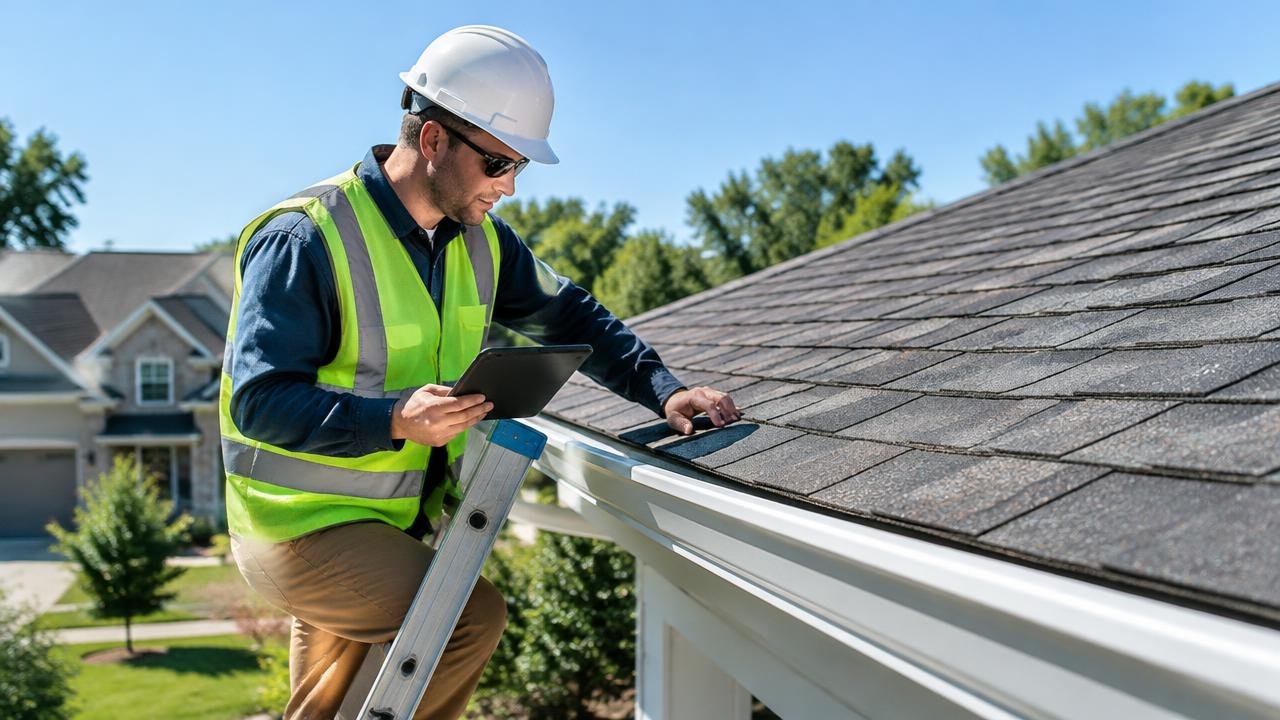
Most homeowners rarely think about their roof until a discolored ring stains the ceiling or water starts dripping into the living room. Because roofing systems quietly perform their job overhead every day, it is easy to assume that no visible problem means everything is in top shape. However, in an area like Central Indiana where the weather swings wildly from freezing winter blizzards to humid summer thunderstorms, roofing materials face relentless punishment.
A regular roof inspection is one of the single most cost-effective home maintenance habits you can adopt. Just like taking your car in for scheduled oil changes or visiting the dentist for routine checkups, having an experienced professional evaluate your roof catches tiny vulnerabilities before they evolve into costly structural nightmares. Knowing how often to schedule an assessment depends on your roof's age, local weather patterns, and the roofing material protecting your property.
Whether you own a single-family house in Marion County or manage a commercial facility, establishing a dependable inspection routine safeguards your investment and gives you total peace of mind. Here is what industry standards and Indiana's unique climate dictate when it comes to keeping your roof in prime condition.
The General Rule: How Often Do Most Roofs Need an Inspection?
As a general baseline, roofing experts recommend scheduling a professional assessment at least once every calendar year. If your home has a standard asphalt shingle roof, a yearly checkup ensures that minor granule depletion, hairline flashing cracks, and isolated shingle lifting get identified and corrected early.
In addition to annual checkups, many property owners find immense value in biannual inspections—specifically once in the spring and once in late autumn. Spring inspections allow contractors to assess how well your shingles survived the freeze-thaw cycles and heavy snow loads of winter. Fall checkups verify that summer heat hasn't cooked the seal strips and that the drainage system is ready to endure freezing moisture.
Scheduling routine roof inspections prevents microscopic damage from turning into full-blown leaks that ruin insulation, drywall, and framing. Catching an issue when it only requires minor sealing or simple shingle patching is infinitely cheaper than paying for extensive water mitigation later.
When to Schedule Extra Roof Inspections in Central Indiana
While annual visits form a dependable baseline, specific events should trigger an immediate call to a qualified contractor. Indiana's location in the Midwest exposes homes to intense weather, ranging from microbursts and severe convective thunderstorms to heavy hail.
If your neighborhood experiences severe weather, do not wait for your annual appointment. High winds can compromise the adhesive bond holding shingles down, while hail impacts can fracture fiberglass mats beneath the surface without causing an immediate leak. Knowing how to tell if roof has hail damage can be tricky from the ground, which is why an up-close assessment is vital after any major storm warning.
Other key milestones require an extra inspection regardless of when your last visit occurred. Understanding these scenarios helps preserve your home equity and protects you from unforeseen repair expenses.
- Immediately following severe wind events with gusts surpassing 50 mph or hailstorms that dent cars, gutters, and siding.
- Before listing your home on the real estate market or immediately after making an offer to purchase a property.
- When your roof reaches 10 to 15 years of age, transitioning it into a more fragile stage of its lifecycle.
- If you notice an unexplained spike in heating or cooling utility bills, which often indicates attic insulation compromised by moisture or ventilation flaws.
- After independent tradespeople (such as solar installers, satellite technicians, or chimney sweeps) have completed work on your roof surface.
How Roof Age and Material Dictate Inspection Frequency
Not all roofing materials deteriorate at the same rate, and the age of your roof plays a massive role in determining inspection frequency. A newly installed roof that is less than five years old generally requires only an annual check or post-storm assessment. During these early years, inspectors primarily verify that the system is settling correctly and that thermal movement has not loosened perimeter metals.
Once a standard roof passes the 10-year mark, however, ultraviolet radiation from the sun and repeated thermal shock begin to break down the asphalt binders. Shingles lose flexibility, making them significantly more prone to wind lift and cracking. If your roof is approaching mid-to-late life, scheduling biannual checkups is wise to determine the right timeline for repairs versus a full system tear-off.
Material choices also shape maintenance needs. Premium systems like metal, slate, or tile last substantially longer than standard asphalt, but their fasteners, gaskets, and flashing points still require regular oversight. Commercial flat roof owners must be especially vigilant; commercial membranes like TPO and EPDM often demand semiannual inspections to keep manufacturer warranties valid and prevent ponding water issues. For residential properties, keeping track of how long a roof lasts in Indiana helps you plan your inspection strategy across the roof's lifespan.
Ground Inspections vs. Professional Attic and Rooftop Evaluations
Homeowners can—and should—perform visual safety checks from the ground throughout the year. Armed with a pair of binoculars, you can scan your roofline from the yard after heavy rains or gusty afternoons. Look for obvious missing shingles, crooked chimney flashing, loose gutters, or heavy accumulations of tree debris in valleys.
However, ground checks can never substitute for a comprehensive hands-on evaluation. A certified inspector walks the roof surface to check shingle pliability, nail pull-throughs, and hidden hail bruising. They also inspect vulnerable transitions where walls meet shingles, evaluating the caulking and counter-flashing. If you have ever wondered what is roof flashing, it is the thin sheet metal installed at joints and penetrations—and it happens to be one of the most frequent sources of roof failures.
Crucially, a professional examination also involves inspecting the interior attic space. An experienced technician looks for hidden leaks, darkened roof decking, mold growth, rusted roofing nails, and compressed insulation. They also evaluate your intake and exhaust balance because poor airflow will bake shingles from underneath, dramatically shortening their lifespan.
- Ground check: Spotting displaced shingles, drooping gutters, and displaced vent caps.
- Rooftop check: Testing shingle adhesion, locating soft spots in decking, and evaluating sealants around plumbing pipe boots.
- Attic check: Uncovering early pinhole water leaks, damp insulation, improper bathroom exhaust venting, and wood rot.
The Hidden Financial Cost of Skipping Roof Inspections
Delaying or ignoring roof inspections may seem like an easy way to save time, but it almost always costs homeowners thousands of dollars down the road. Small problems left unattended do not fix themselves; they steadily compound. A cracked neoprene boot around a plumbing vent pipe costs very little to replace during an inspection, but if neglected for two seasons, the resulting leak can rot the surrounding rafter, saturate ceiling drywall, and trigger toxic mold remediation.
Failing to inspect your roof regularly can also jeopardize your insurance coverage. When storm damage occurs, insurance adjusters evaluate the overall condition of the roof. If they discover evidence of long-term neglect, advanced rot, or pre-existing leaks that went unaddressed, they may deny portions of your claim or reduce your payout. Many insurance policies explicitly exclude damage caused by deferred maintenance.
When an issue is caught promptly, standard roof repair is usually all that is needed to restore complete weather tightness. Consistent documentation from routine inspections also provides a clear paper trail of maintenance, which proves invaluable when negotiating with insurance companies following severe weather events.
Schedule Your Free Roof Inspection with Central Indy Roofing
Knowing how often to get an inspection is the first step; taking action before small issues disrupt your home is the next. Whether your roof just weathered a violent Midwestern hailstorm, has gone several years without a professional checkup, or is showing subtle signs of wear, an accurate evaluation from a local expert is your best defense against unexpected costs.
At Central Indy Roofing, our experienced team provides thorough, honest residential and commercial assessments across Indianapolis and the surrounding communities. We inspect your shingles, flashing, gutters, and attic ventilation, giving you a transparent breakdown of your roof's condition and honest recommendations you can trust.
Do not wait for water to drip through your ceiling to find out what condition your roof is in. Contact Central Indy Roofing today at 317-836-2455 or submit our online form to schedule your free roof inspection and get a detailed, no-obligation estimate.
Frequently Asked Questions
- Can I inspect my own roof from a ladder instead of hiring a professional?
- While you can spot obvious damage like missing shingles from a ladder or with binoculars from the ground, walking a roof is dangerous and can actually damage your shingles if done incorrectly. Furthermore, trained inspectors know how to identify subtle problems that untrained eyes miss, such as hail bruising beneath granules, loose fasteners, minor flashing separations, and internal attic ventilation defects.
- Will a roof inspection reveal hidden leaks before water stains appear inside?
- Yes. One of the greatest benefits of a professional roof inspection is detecting moisture intrusion early. Water frequently travels along roof trusses and rafters long before it saturates insulation and stains ceiling drywall. Inspectors check the attic for dampness, rusted nails, and decking discoloration to stop leaks before they become interior emergencies.
- How long does a standard residential roof inspection take?
- A thorough residential inspection typically takes between 45 and 90 minutes, depending on the square footage, pitch, and complexity of your roof. This timeframe includes an exterior surface check, an inspection of all flashing, vents, and gutters, as well as an evaluation of the attic space beneath the roof deck.
- Does getting a roof inspection hurt my homeowners insurance rates?
- No, simply having an inspection performed by a roofing contractor does not impact your insurance rates or appear on your claims history. In fact, keeping documentation of regular inspections demonstrates proactive property maintenance, which can protect you if you ever need to file a legitimate storm damage claim.